Unlocking the Nutritional Powerhouse: How Much Protein is in a Quail Egg?
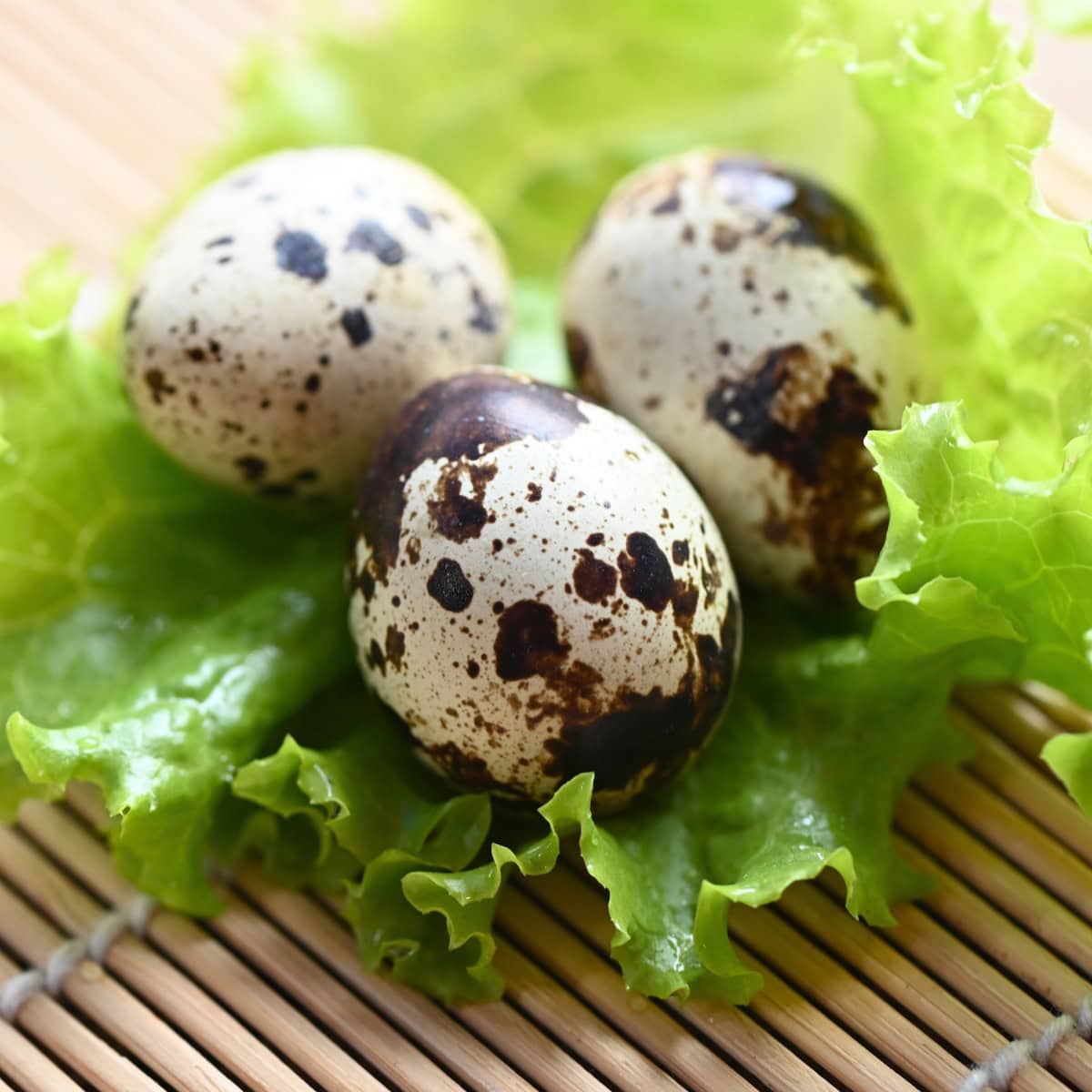
In the evolving landscape of health and wellness, quail eggs have emerged from the shadow of their larger chicken counterparts, quietly claiming their rightful place as a nutritional powerhouse. These delicate, speckled marvels are not just a gourmet ingredient; they pack a surprisingly robust punch of nutrients, making them a fascinating subject for anyone curious about their dietary impact. One of the most common questions discerning consumers ask is, how much protein is in a quail egg?
On average, a single quail egg, weighing approximately 9 to 10 grams, contains about 1.1 to 1.3 grams of high-quality protein. While this might seem modest at first glance, especially when compared to a standard chicken egg, it's crucial to consider their diminutive size. Quail eggs offer a complete protein, meaning they contain all nine essential amino acids that our bodies cannot produce on their own. This makes them an excellent source for muscle repair, growth, and overall bodily function. The protein in quail eggs is also highly bioavailable, ensuring that your body can efficiently absorb and utilize these vital building blocks. As we delve deeper, we'll explore not just the quantity but also the quality and the broader nutritional benefits these tiny eggs bring to your plate.
Quail Egg Protein vs. Chicken Egg Protein: A Head-to-Head Comparison
To truly appreciate the protein content of quail eggs, it's helpful to put them in perspective alongside the more commonly consumed chicken egg. A large chicken egg, typically weighing around 50-60 grams, provides approximately 6 to 7 grams of protein. So, when considering how much protein is in a quail egg in relation to its size, you might wonder how many quail eggs it would take to match the protein of one chicken egg.
Roughly speaking, it takes about 5 to 6 quail eggs to equal the protein content of one large chicken egg. This translates to roughly 55-60 grams of quail eggs to match the 6-7 grams of protein found in a 50-60 gram chicken egg. Both types of eggs are celebrated for their complete protein profiles, offering all the essential amino acids required by the human body. However, the smaller size of quail eggs can offer unique advantages. For individuals seeking controlled portion sizes or those who find larger eggs too filling, quail eggs provide a convenient and nutrient-dense alternative. Furthermore, some studies and traditional beliefs suggest that quail eggs might be less allergenic for certain individuals compared to chicken eggs, although scientific evidence on this front is still developing and individual reactions can vary. While the protein per individual egg is lower, the nutritional density per gram remains remarkably competitive, making quail eggs a valuable addition to a protein-rich diet.
To delve deeper into the specific nutrient breakdown and other benefits, you might want to read our follow-up article on how much protein is in a quail egg - Article 2.
Beyond Protein: The Full Nutritional Profile of Quail Eggs
While understanding how much protein is in a quail egg is a primary concern for many, it's equally important to recognize that these small eggs are packed with a diverse array of other essential vitamins and minerals, making them a true superfood. Their dense nutritional profile extends far beyond just protein, contributing significantly to overall health and well-being.
Quail eggs are an excellent source of various B vitamins, particularly Vitamin B12 (cobalamin), which is crucial for nerve function, DNA synthesis, and red blood cell formation. They also provide significant amounts of Riboflavin (B2) and Thiamine (B1), vital for energy metabolism. Beyond the B complex, you'll find a good dose of Vitamin A, important for vision and immune function, and Vitamin D, essential for bone health and calcium absorption. Though present in smaller amounts, Vitamin E also contributes its antioxidant properties.
Mineral-wise, quail eggs are particularly rich in Iron, a critical component of hemoglobin that transports oxygen in the blood, helping to prevent anemia. They also offer valuable quantities of Selenium, a powerful antioxidant that supports thyroid function, and Zinc, vital for immune health and wound healing. Other minerals include phosphorus, calcium, and magnesium. Furthermore, quail eggs contain Choline, a nutrient essential for brain development, liver function, and nerve signaling.
Despite their small size, quail eggs typically contain slightly more fat and cholesterol per gram compared to chicken eggs, largely due to their higher yolk-to-white ratio. However, it's important to remember that dietary cholesterol's impact on blood cholesterol levels is less significant for most healthy individuals than previously thought, with saturated and trans fats playing a more prominent role. The fats present in quail eggs include beneficial monounsaturated and polyunsaturated fats, including some omega-3 fatty acids, which are crucial for heart health and brain function. This comprehensive nutrient package makes quail eggs an incredibly efficient way to boost your daily vitamin and mineral intake.
Incorporating Quail Eggs into Your Diet: Practical Tips and Recipes
Now that we've established how much protein is in a quail egg and explored its extensive nutritional benefits, the next logical step is to consider how to easily incorporate these tiny powerhouses into your everyday diet. Quail eggs are incredibly versatile and can be enjoyed in numerous ways, from simple preparations to more elaborate culinary creations.
One of the easiest ways to enjoy quail eggs is hard-boiled. They cook much faster than chicken eggs, typically taking only 2-3 minutes for a soft boil and 4-5 minutes for a hard boil. After cooking, a common challenge is peeling their delicate shells. A trick is to immediately transfer them to an ice bath after cooking, which helps the shell separate more easily. Once peeled, hard-boiled quail eggs make excellent additions to:
- Salads: Quartered or halved, they elevate any green salad, Nicoise salad, or potato salad.
- Appetizers: Deviled quail eggs are a delightful bite-sized alternative to their chicken egg counterparts. They can also be served simply with a sprinkle of salt and pepper, or alongside olives and cheese.
- Ramen or Noodle Dishes: A couple of soft-boiled quail eggs perched atop a bowl of ramen add a luxurious touch and a boost of protein.
- Snacks: Hard-boiled quail eggs are perfect on-the-go snacks, providing sustained energy.
Beyond boiling, quail eggs can be pan-fried or poached. Their yolks are richer and creamier than chicken eggs, making them superb for dipping toast or complementing an asparagus dish. For a more adventurous culinary experience, consider using them in:
- Mini Frittatas or Quiches: Their small size is perfect for individual portions.
- Scotch Eggs: Wrapped in sausage meat and deep-fried, they make an impressive starter.
- Canapés: A fried quail egg on a small piece of smoked salmon or bruschetta is an elegant touch.
When cooking with quail eggs, remember that their cooking time is significantly shorter due to their size. Experiment with them in your favorite recipes to discover new flavors and textures. For even more creative ways to enjoy these tiny nutritional powerhouses and understand their broader impact on various diets, explore how much protein is in a quail egg - Article 3.
Why Quail Eggs Might Be Your Next Superfood
Considering their impressive nutritional profile, the answer to how much protein is in a quail egg is just the beginning of understanding their immense value. Quail eggs are more than just a novelty; they are a miniature nutritional powerhouse that can significantly contribute to a healthy and balanced diet. Their rich content of complete protein, essential vitamins (B12, A, D, Riboflavin), and vital minerals (Iron, Selenium, Zinc) positions them as an excellent food choice for various health goals.
For those focused on fitness, the high-quality protein supports muscle recovery and growth. For individuals seeking to boost their nutrient intake without excessive calories, quail eggs offer a dense package of goodness. Their naturally lower caloric count per individual egg, coupled with a satisfying fat and protein content, can also aid in satiety and weight management when consumed as part of a balanced diet. Furthermore, the unique composition of quail eggs, including their antioxidant properties and beneficial fats, may contribute to enhanced immune function, improved vision, and better overall metabolic health.
Beyond the nutritional facts, the distinct, delicate flavor and creamy texture of quail eggs make them a delightful culinary ingredient. They are easily digestible for most people and their convenient, single-serving size reduces food waste. Whether you're a gourmet cook, a health enthusiast, or simply looking to diversify your protein sources, embracing quail eggs can be a delicious and beneficial step towards a more vibrant diet. Their rising popularity is a testament to their understated yet powerful contribution to health and gastronomy, making them a worthy contender for your next superfood discovery.
Conclusion
In conclusion, while a single quail egg may only contain approximately 1.1 to 1.3 grams of protein, their exceptional nutritional density makes them a standout food choice. When stacked against chicken eggs, approximately 5-6 quail eggs provide a comparable amount of high-quality protein, along with a richer concentration of essential vitamins like B12, A, and D, and vital minerals such as iron, selenium, and zinc. These tiny eggs are not just a gourmet treat but a versatile, nutrient-packed ingredient that offers a complete amino acid profile, supports various bodily functions, and contributes to overall wellness. Incorporating quail eggs into your diet, whether hard-boiled in salads, fried as a topping, or used in creative appetizers, is an excellent way to elevate your nutrition and enjoy a unique culinary experience. Their small size belies their significant contribution to a healthy lifestyle, cementing their status as a valuable addition to any balanced diet.
