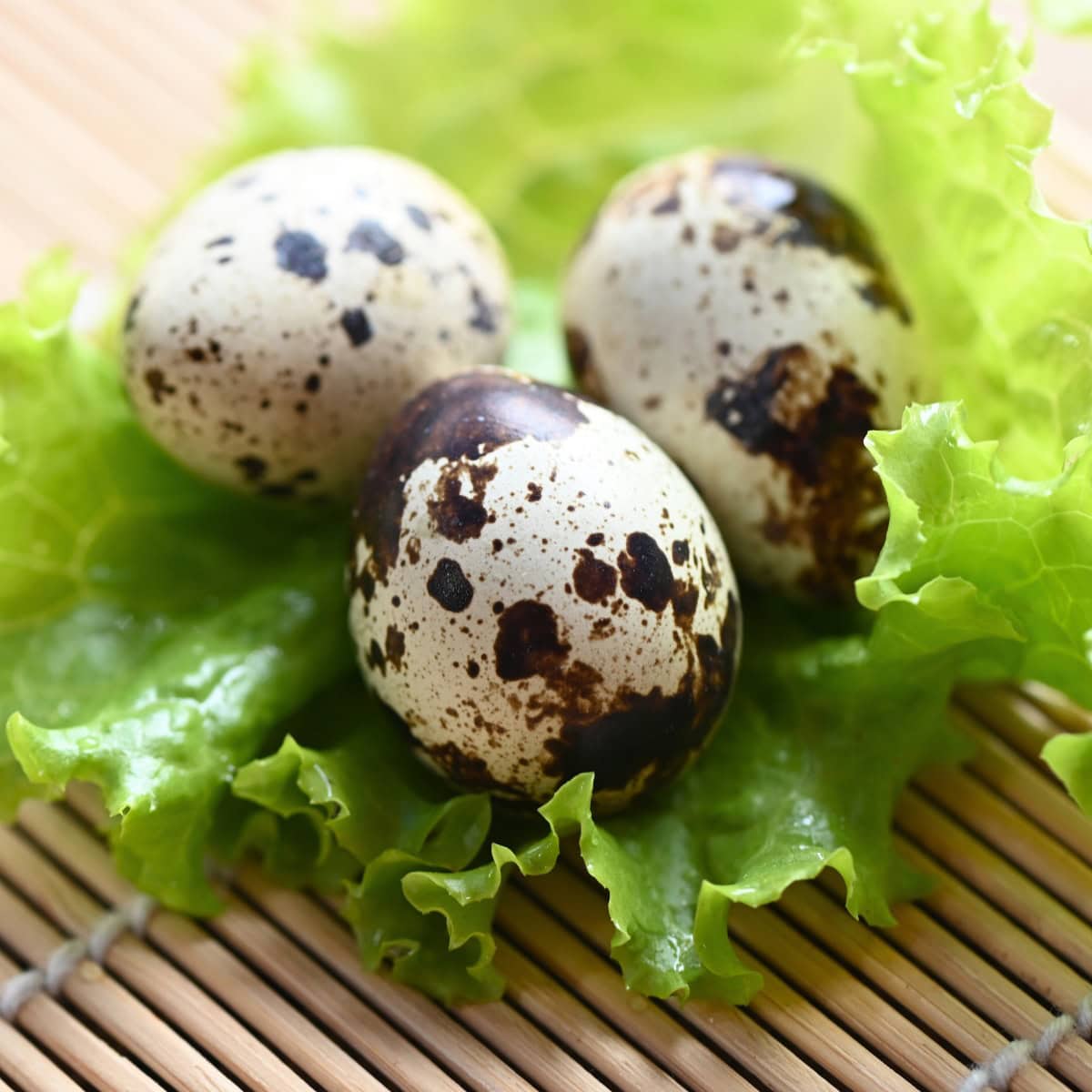
The Power-Packed Protein in Quail Eggs: A Deep Dive into Nutritional Excellence
When we talk about diminutive foods with colossal nutritional value, quail eggs invariably emerge as a shining example. While their size might be modest, the question of how much protein is in a quail egg often surprises many, revealing them to be a truly potent source of this essential macronutrient. Beyond merely the quantity, understanding the quality and versatility of the protein in these small wonders can unlock a new dimension in healthy eating. This article delves into the specifics, exploring the benefits, dietary applications, and culinary potential of quail egg protein, building upon foundational insights from how much protein is in a quail egg - Article 1 and how much protein is in a quail egg - Article 2.Beyond the Numbers: The Quality of Protein in Quail Eggs
It’s one thing to ask how much protein is in a quail egg, but an equally critical inquiry involves the *quality* of that protein. Quail eggs boast a "complete protein" profile, meaning they contain all nine essential amino acids that the human body cannot produce on its own. These amino acids are the building blocks for everything from muscle tissue and enzymes to hormones and antibodies. The bioavailability of egg protein is exceptionally high, making it readily absorbed and utilized by the body, which is a significant advantage over some plant-based protein sources. Each quail egg, typically weighing around 9-10 grams, contains approximately 1.1 to 1.3 grams of high-quality protein. While a single egg's protein content might seem small, a serving of 3-5 quail eggs quickly adds up to a substantial and easily digestible protein boost. This makes them an excellent option for individuals seeking efficient protein intake without excessive calories or fat. Their rich amino acid composition, including leucine, isoleucine, and valine (BCAAs), makes them particularly beneficial for muscle repair and growth, providing a comprehensive package for optimal bodily function.Quail Eggs in Specific Diets: Why Their Protein Matters
The protein in quail eggs makes them a valuable addition to a variety of dietary approaches. Their unique nutritional profile lends itself well to several health and wellness goals:- Muscle Building and Recovery: For athletes and fitness enthusiasts, the complete protein in quail eggs supports muscle protein synthesis, crucial for post-workout recovery and muscle mass development. Consuming a handful of quail eggs after exercise provides readily available amino acids to kickstart the repair process.
- Weight Management: Protein is renowned for its satiety-inducing properties. Including quail eggs in meals or as snacks can help you feel fuller for longer, reducing overall calorie intake and supporting weight loss or maintenance efforts.
- Children's Nutrition: Quail eggs are a nutrient-dense food in a small, appealing package, making them ideal for growing children. The protein, along with other vitamins and minerals, contributes to healthy development and sustained energy.
- Diets for the Elderly: Maintaining muscle mass and strength becomes increasingly important with age. Quail eggs offer an easy-to-digest, palatable source of protein that can help prevent sarcopenia (age-related muscle loss).
- Flexitarian and Health-Conscious Diets: For those looking to diversify their protein sources beyond traditional chicken or beef, quail eggs offer a novel and highly nutritious alternative that can easily be incorporated into various dishes.
Quail Eggs vs. Chicken Eggs: A Protein Comparison for Dietary Choices
While a large chicken egg offers around 6 grams of protein, roughly five quail eggs provide a comparable amount of protein. However, focusing solely on the protein metric misses the nuanced benefits. Quail eggs often contain a higher concentration of certain micronutrients per gram, such as iron and vitamin B12, making them a dense nutritional punch. For those with sensitivities to chicken eggs, quail eggs are sometimes found to be more tolerable, though this should be approached with caution and medical advice if you have a known allergy. The choice between quail and chicken eggs often comes down to dietary needs, taste preference, and the specific micronutrients you wish to emphasize in your diet. Both are excellent sources of high-quality protein.Maximizing Your Protein Intake with Quail Eggs: Creative Culinary Applications
Knowing how much protein is in a quail egg is one thing; incorporating them effectively into your diet is another. Their delicate flavor and petite size make them incredibly versatile in the kitchen. Here are some creative ways to maximize your protein intake with quail eggs:- Gourmet Appetizers: Hard-boil quail eggs, halve them, and top with a dollop of aioli, smoked salmon, or caviar for an elegant, protein-rich starter.
- Salad Enhancer: Add hard-boiled or soft-boiled quail eggs to your favorite salads for an extra layer of protein and creaminess. They pair wonderfully with spinach, arugula, and various dressings.
- Asian-Inspired Dishes: Drop soft-boiled quail eggs into ramen, pho, or stir-fries for a traditional and nutrient-dense addition. Their yolks add a luxurious richness to broths.
- Mini Omelets or Frittatas: Whisk quail eggs with herbs, cheese, and diced vegetables to create bite-sized omelets or frittatas, perfect for breakfast, brunch, or a quick snack.
- Pickled Quail Eggs: A popular snack, pickled quail eggs offer a tangy, protein-packed bite. They're excellent for meal prep and can be stored in the fridge for an easy protein boost.
- Sandwich Fillings: Mash hard-boiled quail eggs with mayonnaise, mustard, and seasonings for a delightful and protein-rich egg salad sandwich filling.
Addressing Common Misconceptions and FAQs About Quail Egg Protein
Are Quail Eggs Higher in Cholesterol than Chicken Eggs?
Gram for gram, quail eggs can have a slightly higher cholesterol content than chicken eggs. However, dietary cholesterol's impact on blood cholesterol levels is complex and often less significant than the influence of saturated and trans fats. For most healthy individuals, consuming quail eggs in moderation as part of a balanced diet poses no significant risk to cholesterol levels. It's always wise to consult a healthcare professional regarding specific dietary concerns.
Is Protein from Raw Quail Eggs More Bioavailable?
While some cultures consume raw quail eggs, cooking eggs generally improves the bioavailability of their protein. Heat denatures protein, making it easier for digestive enzymes to break down and absorb the amino acids. Additionally, raw eggs carry a slight risk of salmonella contamination, though often cited as lower in quail eggs than chicken eggs. For safety and optimal protein absorption, cooking quail eggs is generally recommended.
Can Quail Eggs Cause Allergies?
While less common than chicken egg allergies, it is possible to be allergic to quail eggs. If you have an existing egg allergy, it's crucial to exercise caution and consult with an allergist before trying quail eggs, as cross-reactivity can occur. For individuals who cannot tolerate chicken eggs, quail eggs are sometimes better tolerated, but this is not a universal rule.
